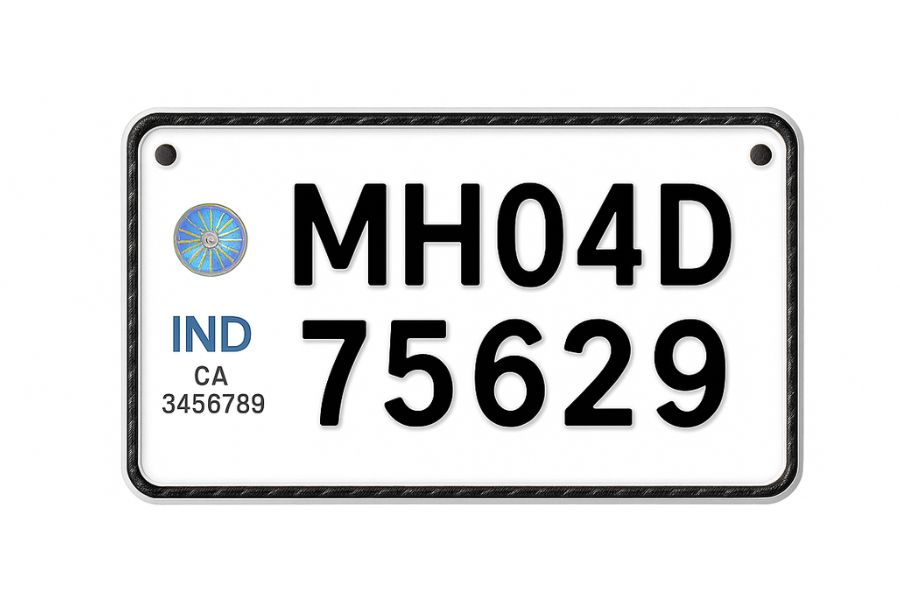
There’s a moment most drivers can relate to. You’re stuck at a signal, half-listening to a podcast, when your eyes drift to the car ahead. Clean paint, decent tyres—and then you notice the number plate. It looks different from yours. More official. Less… casual. And that’s when it hits you: oh. That HSRP thing. I still haven’t done that.
High Security Registration Plates have been floating around our collective consciousness for years, like a rule everyone knows about but no one rushes to follow. For a long time, nothing really happened if you ignored it. No fines. No awkward conversations. So people did what people do best—they delayed. Then enforcement started to tighten, and suddenly that delay didn’t feel so harmless anymore.
What’s strange is how emotionally charged this tiny piece of metal has become. It’s just a number plate, after all. It doesn’t change how your car drives. It doesn’t improve mileage or fix potholes. And yet, it’s now one of the most discussed car-related topics, right up there with fuel prices and traffic police horror stories.
Part of the tension comes from mixed information. Some folks think HSRP is only for new vehicles. Others assume it’s optional unless you’re stopped. A few believe their fancy dealership frame somehow qualifies. None of that is true. If your vehicle is registered, it needs a standardized, tamper-proof plate. Old bike, new SUV, everything in between.
From a policy perspective, the logic is solid. Standardized plates reduce vehicle theft, curb cloning, and make digital enforcement systems work better. Laser-etched codes, snap locks that can’t be removed easily—it’s all designed to bring order to a system that’s historically been a bit… flexible. Whether that makes your commute better is debatable, but it does make records cleaner.
The real hurdle isn’t understanding the rule. It’s taking action. Most people don’t actively resist; they just keep pushing it to “next week.” Until next week turns into a fine story from someone they know. That’s usually the trigger.
I watched this play out with a friend who prides himself on being organized. Insurance renewed on time. Documents neatly stored. HSRP? Somehow skipped. After hearing about checks increasing in his area, he finally decided to order my hsrp p late one evening, bracing for frustration. Instead, he texted me ten minutes later, surprised. “That’s it? Why did I wait so long?”
That reaction is more common than you’d think. The official booking platforms aren’t glamorous, but they’re functional. You enter your vehicle details, choose a nearby fitment center, pick a time slot, and wait for confirmation. No agents, no extra fees, no mysterious phone calls. It feels almost suspiciously normal for something tied to government compliance.
Still, anxiety lingers. People worry about picking the wrong website or messing up a detail. That fear often leads to more delay, which ironically causes the very stress they were trying to avoid. When deadlines approach or enforcement ramps up, appointment slots disappear quickly. Suddenly, you’re refreshing pages like you’re trying to buy concert tickets.
Installation day, however, is usually anticlimactic. You show up at the fitment center with your documents. A technician fixes the plates using non-removable snap locks. There’s a quick check, maybe a signature, and you’re done. No DIY work. No long lectures. You walk away wondering why it felt like such a big deal.
Of course, not every experience is smooth. Some centers run late. Some staff are overwhelmed. Some appointments get rescheduled. That’s real, and it’s frustrating. But it’s also true that the internet loves amplifying worst-case scenarios. Thousands of uneventful installations don’t make for dramatic posts.
What surprised me most was the sense of relief people describe afterward. It’s subtle, but noticeable. You stop feeling slightly on edge when you see a traffic checkpoint. You don’t second-guess your documents. That background anxiety—the one you didn’t realize you were carrying—just fades.
Another acquaintance waited until his city announced strict fines starting the following week. Panic set in. He scrambled online, eventually managing to book my hsrp p appointment at a center much farther than planned. He got it done, but at the cost of a wasted afternoon and unnecessary stress. His verdict afterward was blunt: procrastination didn’t buy him time; it cost him peace.
Zooming out, HSRP is part of a broader shift. India’s vehicle ecosystem is becoming more standardized, more digital, less tolerant of loopholes. Fastag, automated challans, centralized databases—HSRP fits neatly into that puzzle. It’s not flashy progress, but it’s structural. And structural changes are usually uncomfortable at first.
Once it’s done, though, life goes on exactly the same. Your car doesn’t feel different. Your daily drive doesn’t change. You don’t suddenly become a model citizen. The only thing that’s gone is that nagging “pending task” feeling at the back of your mind.
That’s why people who’ve completed the process rarely talk about it afterward. There’s nothing dramatic to report. It just becomes another checked box, like renewing insurance or getting a pollution certificate. Necessary, mildly annoying, and then forgotten.

 Site Title
Leave a comment